

The Professional iPad Case Materials Guide: Durability and Functionality
2026 Jul 30th
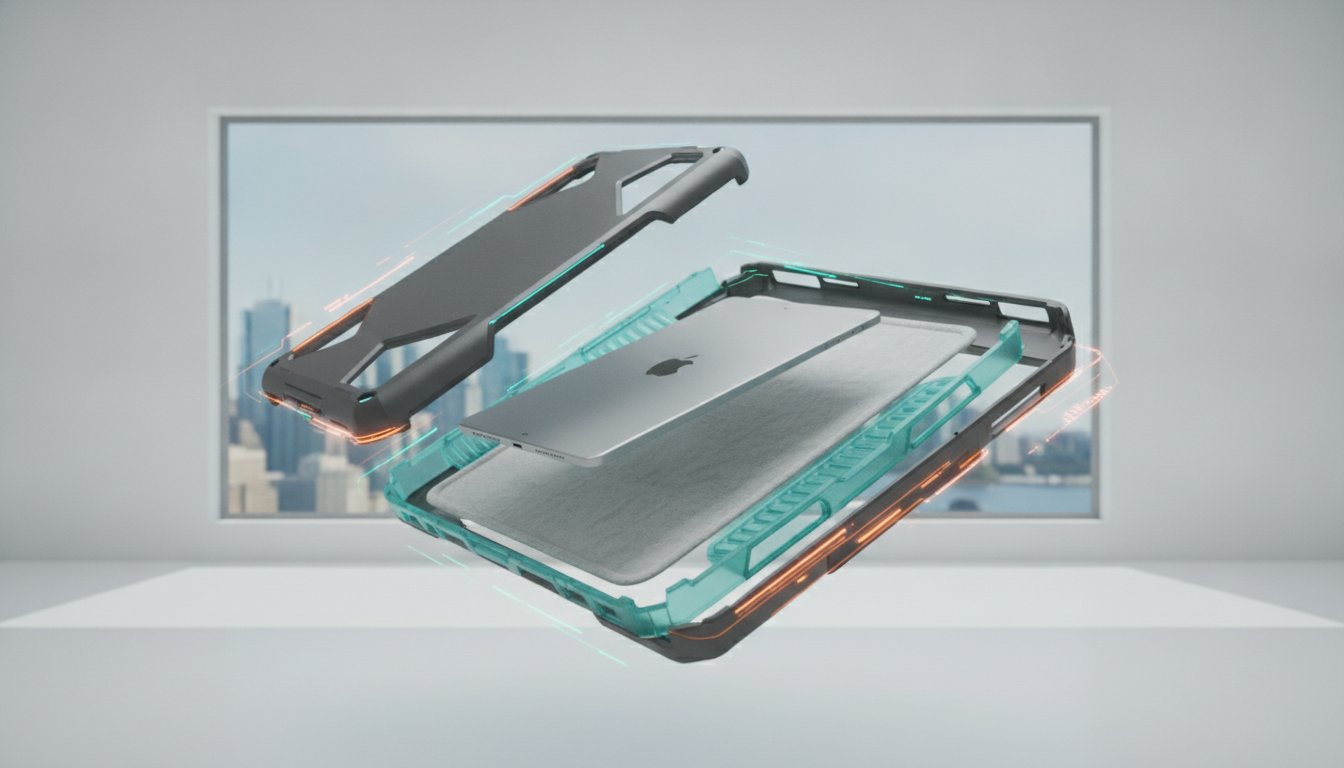
Did you know that 72% of tablet users prioritize drop protection above all other features when selecting a case? It's a logical priority. A single minor drop can result in a spiderweb of screen cracks or a dented chassis that immediately tanks your device's resale value. You've likely dealt with clear covers that yellow within months or bulky shells that make your iPad feel like a heavy brick rather than a portable productivity tool.
We understand that a case shouldn't just exist; it should perform. This ipad case materials guide identifies the ideal material compositions to maximize your device's longevity while maintaining its sleek, professional aesthetic. Choosing the right protection is a technical decision based on impact physics and functional utility rather than just visual appeal.
We will examine how different polymers and hybrids perform under stress. This guide also looks at compatibility with essential productivity tools and heat dissipation for high-performance models. You'll learn how to realize the full potential of your hardware without compromising on portability or style.
Key Takeaways
- Learn to balance shock absorption with thermal management to prevent overheating and maximize internal hardware longevity.
- Use this ipad case materials guide to distinguish between TPU for impact resistance and Polycarbonate for rigid structural defence.
- Identify how microfibre linings protect the display glass from micro-scratches that degrade screen clarity and resale value.
- Match material profiles to your specific environment, prioritizing slim portability for commuting or rugged hybrid blends for student life.
- Discover how case dimensions influence connectivity with productivity tools like the Leopard Series 11-in-1 Smart Hub.
Why iPad Case Materials Matter for Device Longevity
Selecting the right material for an iPad case is a technical requirement, not a cosmetic preference. While users often focus on aesthetics, the chemical composition of the cover dictates how well it handles kinetic energy during an impact. This ipad case materials guide emphasizes that protection must balance shock absorption for the internal hardware with scratch resistance for the external surfaces. High-density materials like Thermoplastic polyurethane (TPU) are engineered to flex under pressure, while rigid polycarbonate shells provide a structural barrier against sharp objects.
Thermal management is another critical factor. iPads generate significant heat during intensive tasks like video editing or gaming. A poorly designed case acts as an insulator, trapping heat and potentially throttling the processor or degrading the battery over time. Effective case design incorporates materials that allow for heat dissipation, ensuring the device operates within its optimal temperature range. Additionally, the choice of material influences the ergonomic profile. A case that is too heavy makes the tablet difficult to use for extended periods, while a case that is too light may lack the necessary structural integrity to protect the aluminium chassis.
The Science of Shock Absorption
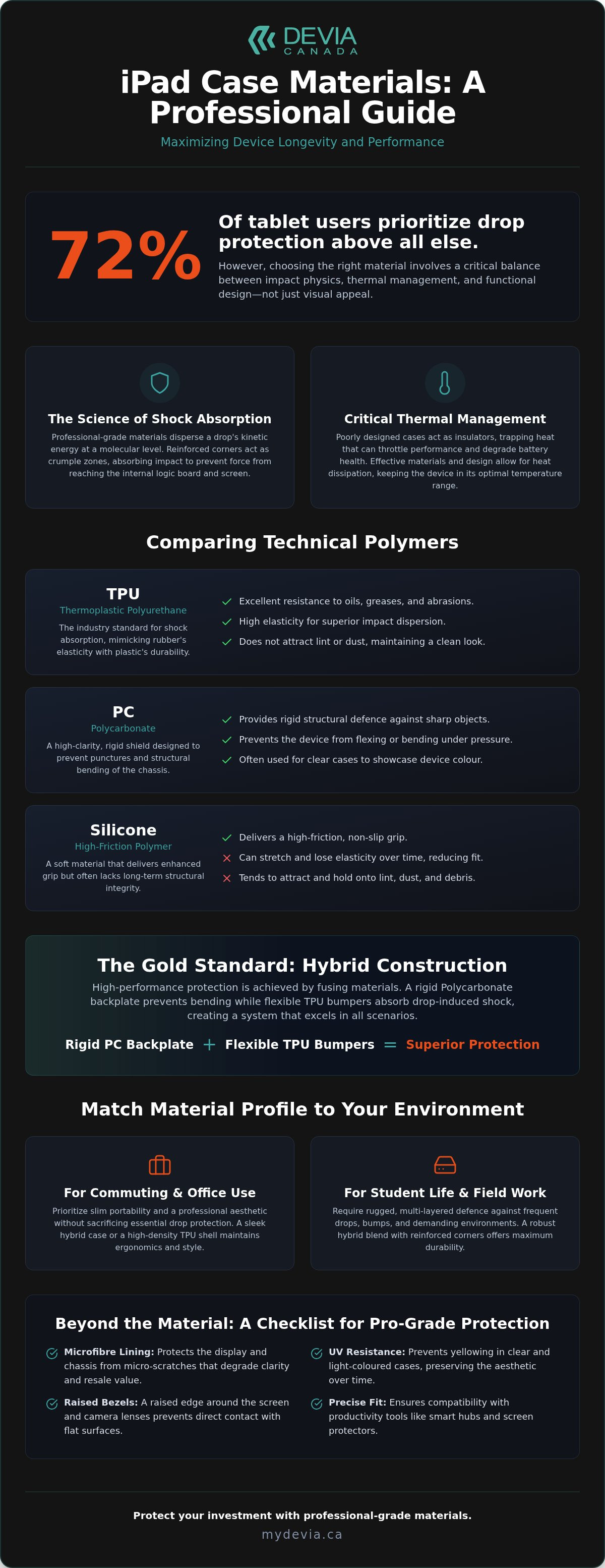
Kinetic energy dispersion is the primary goal during a drop. Industry reports indicate 72% of tablet users prioritize drop protection, yet many don't understand the physics involved. When an iPad hits a hard surface, the energy travels through the device. Professional grade materials absorb this energy by compressing at the molecular level, preventing the force from reaching the internal logic board. Reinforced corners are essential because they act as crumple zones, specifically designed to stop screen fractures. It's also vital to recognize material fatigue. Over time, cheaper silicone cases can stretch or lose their elasticity, significantly reducing their ability to protect the device during a fall.
Aesthetic Maintenance and Resale Value
Maintaining the pristine condition of your device is essential for the Canadian secondary market. Micro-debris trapped between a case and the iPad can cause 'pitting', which are tiny permanent marks on the metal surface. Proper material selection, such as cases with soft microfibre linings, prevents this friction. UV resistance is equally important. Many low-grade plastics yellow when exposed to sunlight, making the device look aged. By adhering to the same high-performance standards seen in the latest iPhone 17 case designs, you ensure your iPad retains maximum trade-in value through superior aesthetic preservation.
Comparing Technical Polymers: TPU, Polycarbonate, and Silicone
Understanding the chemical properties of your protective gear is the first step in ensuring long-term device safety. This ipad case materials guide focuses on three primary polymers: Thermoplastic Polyurethane (TPU), Polycarbonate (PC), and Silicone. Each material serves a specific functional purpose based on its molecular density and flexibility. Professional users must prioritize the technical trade-offs between rigidity, weight, and impact dispersion over simple visual appeal.
- TPU: The industry standard for shock absorption and resistance to environmental contaminants.
- Polycarbonate: A high-clarity, rigid shield designed to prevent punctures and structural bending.
- Silicone: A high-friction material that delivers enhanced grip, though it often lacks long-term structural memory.
Hybrid constructions represent the gold standard for high-performance protection. By fusing a rigid PC backplate with flexible TPU bumpers, manufacturers create a system that prevents the iPad from bending while simultaneously cushioning the corners against drop-induced fractures. This multi-material approach ensures the device remains functional even after significant impact. You can explore a curated selection of these high-performance ipad cases designed specifically for professional durability and precise fit.
TPU: The Versatile Middle Ground
TPU is the preferred material for professional-grade protection because it mimics the elasticity of rubber while offering the durability of hard plastic. It's highly resistant to oils, greases, and abrasions. This makes it particularly useful in Canadian workspaces where exposure to varying temperatures and rough surfaces is common. Unlike silicone, TPU doesn't attract lint or dust; it stays clean after being stored in a bag or briefcase. Its ability to maintain its shape over years of use prevents the material fatigue that causes cheaper covers to stretch and sag.
Polycarbonate for Rigid Defence
Polycarbonate is a high-impact resistant thermoplastic used when structural integrity is the priority. It allows for slim-profile designs that don't add unnecessary bulk to the iPad's minimalist aesthetic. However, PC has a technical limitation: it's a poor shock absorber on its own. Because the material is so rigid, it transfers the energy of a fall directly to the device unless it's paired with a secondary buffer. For users who prioritize a lightweight setup, a PC shell offers excellent scratch protection, but it's most effective when integrated into a hybrid system.
Functional Materials: Leather, Fabric, and Folio Options
Technical polymers provide the foundation for impact safety, but functional materials like leather, fabric, and microfibre define the daily user experience. A comprehensive ipad case materials guide must account for how these surfaces interact with professional environments. Folio-style cases rely on material flexibility to transition between typing, viewing, and storage modes. The choice between synthetic and natural finishes impacts not just the look of the device, but its tactile grip and long-term wear resistance.
Fabric and canvas textures are increasingly popular for their high-friction properties. Unlike smooth plastic, these materials provide a secure hold when carrying the iPad between meetings or through transit hubs. Modern fabric covers often feature water-repellent coatings to prevent staining and moisture absorption. Another critical component is the magnetic closure system. Professional cases utilize high-grade magnets to ensure the auto sleep/wake functionality remains consistent. This preserves battery health by ensuring the display is never active while the cover is closed.
Hinge durability is where many consumer-grade folios fail. Constant folding creates material fatigue, leading to cracks or separation at the spine. Professional-grade options use reinforced composite spines or high-tensile fabric to ensure the cover remains attached throughout the device's lifecycle. This structural integrity is vital for maintaining the iPad's alignment and ensuring the magnetic sensors trigger correctly every time.
Professional Aesthetics with Leather
Leather offers a classic professional profile. While genuine leather provides a premium feel and develops a unique patina, synthetic 'PU' leather is often the more functional choice for high-use scenarios. It delivers superior resistance to water and oils, making it easier to clean. However, leather folios add significant weight, often increasing the total mass of the setup by 150g to 250g. Maintenance is simple; a quick wipe with a damp cloth keeps the material from looking weathered or unprofessional.
Microfibre and Screen Defence
The internal lining of a folio is your display's first line of defence. High-density microfibre linings serve a dual purpose: they absorb finger oils and prevent debris from grinding against the glass. This passive cleaning action keeps the display clear during transport. To achieve maximum protection, these linings should be used in synergy with a high-quality screen protector. This combination eliminates the risk of micro-scratches caused by trapped dust particles, ensuring the screen remains in pristine condition for future resale.
Durability vs. Portability: Matching Material to Use Case
Selecting an iPad case requires balancing maximum protection with the need for portability. This ipad case materials guide identifies that no single material fits every Canadian lifestyle. You must assess the trade-off between drop protection height and the physical thickness of the cover to find your optimal configuration. Different environments demand specific material properties to ensure the device remains both safe and functional. Consider these common use cases:
- The Commuter: Prioritizes slim TPU and PC blends that slide easily into a packed bag or briefcase without catching on other items.
- The Student: Requires rugged hybrid materials for multi-environment durability as they move between lecture halls, coffee shops, and transit.
- The Creative: Prefers lightweight silicone or slim folios that prioritize handheld comfort for long drawing or editing sessions.
- The Professional: Selects sleek leather or fabric folios that provide a refined profile suitable for boardroom settings.
The thickness of your case directly impacts how you interact with the tablet. A case that is too bulky might prevent the iPad from fitting into standard charging stations or tablet stands. Conversely, a case that is too thin won't provide the necessary lip to protect the screen when placed face-down. Finding the middle ground is essential for long-term satisfaction.
Rugged Materials for Maximum Defence
Rugged cases utilize multi-layer construction to achieve superior safety. These designs often feature an internal hard frame, a shock-absorbing outer layer, and integrated port covers to block dust and debris. Many of these products are tested to MIL-STD-810G standards. This military-grade certification means the material selection and case design can withstand repeated drops from heights of 1.2 metres or more. While these materials offer the highest level of security, they come with a weight penalty. A fully ruggedized case can add up to 300g to your device. This makes it less ideal for users who prioritize a lightweight setup but essential for industrial or outdoor use.
Ultra-Slim Materials for Minimalists
Minimalists who primarily use their tablets at a desk should look toward high-density polycarbonate or aramid fibres. Aramid fibre is an advanced material that offers high tensile strength and heat resistance while remaining incredibly thin. These materials maintain the iPad's original design language and don't interfere with the device's sleek silhouette. They provide essential scratch protection and basic corner safety without the bulk of traditional hybrids. If you need a balance of style and technical performance, browse the full range of ipad cases to find a profile that matches your daily workflow.
Optimizing Your Setup with Devia Canada iPad Protection
Optimizing a professional setup requires a focus on the interaction between protective covers and high-performance peripherals. This ipad case materials guide emphasizes that material selection dictates the efficiency of your hardware ecosystem. If you utilize external hardware, the physical dimensions and port cutouts of your chosen case are technical specifications that determine connectivity reliability. Choosing the right material ensures your iPad remains a versatile workstation component rather than a source of technical friction or hardware incompatibility.
When evaluating materials for dock compatibility, you must consider the depth of the port opening. A case with a recessed USB-C port exceeding 2mm often requires the removal of the cover before docking, which compromises the efficiency professionals require. Devia Canada curators select case designs that prioritize this clearance without sacrificing the reinforced corner protection discussed in earlier sections. This ensures that your device remains protected even while connected to high-speed data hubs.
Case Compatibility with Productivity Hubs
The DEVIA USB C Laptop Docking Station Leopard Series (11 in 1) is a precision-engineered hub requiring a flush connection to the iPad's USB-C port. Cases with thick bottom bumpers often impede this connection, leading to data transfer failures or intermittent charging. High-density polycarbonate or slim TPU bases are superior for these workflows because they offer the necessary clearance for metal-housed connectors. It's also important to consider how case thickness affects alignment in a multi-device charging station. Uniformity in your material profile ensures that your entire hardware suite stays organized and properly aligned for consistent power delivery during overnight cycles.
The Devia Canada Standard for Protective Accessories
Devia Canada maintains a methodical approach to material selection and product curation. We specialize in high-performance hardware that bridges the gap between industrial-grade safety and modern utility. Every polymer blend in our inventory is vetted for durability, heat dissipation, and precise fit. Our curation process involves testing material resilience against typical Canadian environmental factors, such as rapid temperature fluctuations that can cause lower-grade plastics to become brittle. We provide national Canadian shipping to ensure professionals from coast to coast can maintain a standardized hardware suite regardless of location.
Pairing your iPad protection with professional Apple Watch bands creates a cohesive aesthetic that reflects corporate reliability. This systematic approach to protective accessories ensures that your device is ready for any professional environment, from the boardroom to the field. By integrating high-quality materials with high-performance hardware, Devia Canada helps you maintain the longevity and utility of your entire mobile office.
Secure Your Technical Investment
Protecting your hardware is a long-term investment in productivity. This ipad case materials guide has outlined how specific chemical properties and structural designs prevent the internal and external degradation that leads to premature device replacement. By selecting materials that prioritize shock dispersion and thermal efficiency, you ensure your tablet performs at peak capacity throughout its entire lifecycle.
Devia Canada provides the professional-grade accessories required to maintain these standards. Our inventory offers comprehensive protection for both Apple and Samsung devices, ensuring a standardized level of safety across your entire mobile fleet. Whether you're integrating the Leopard Series docking station into a fixed workstation or require rugged mobility for field work, Devia Canada delivers reliable solutions with efficient national shipping across Canada.
Browse the Devia Canada Collection of Professional iPad Cases to secure your mobile workstation. Professional material selection is the most effective way to ensure your hardware remains a high-value asset for years to come.
Frequently Asked Questions
What is the most durable material for an iPad case?
Hybrid designs that combine a hard polycarbonate (PC) backplate with thermoplastic polyurethane (TPU) bumpers offer the highest level of durability. This specific combination provides structural rigidity to prevent the tablet from bending and flexible edges for kinetic energy absorption. These multi-material configurations are standard for meeting military drop-test requirements and ensuring long-term device safety.
Does a silicone iPad case provide enough drop protection?
Silicone offers excellent grip and basic scratch resistance but often lacks the structural integrity needed for high-impact drops. While it's soft and flexible, it doesn't have the structural memory of TPU and can stretch or sag over time. For professional environments where drops are a risk, a hybrid or TPU-based case is a more reliable protective choice.
Which case material is best for preventing iPad overheating?
Polycarbonate shells with vented designs or slim-profile TPU cases are the most effective for thermal management. These materials allow heat generated by the iPad's processor to dissipate more quickly than thick, insulating leather or heavy silicone. Maintaining a cool operating temperature is vital for battery health and processing speed during intensive tasks like video editing.
Are leather iPad cases more protective than plastic ones?
Leather cases excel at preventing surface scratches and maintaining a professional aesthetic; however, they are generally less effective than technical polymers for impact protection. Plastic and polymer blends are engineered specifically to absorb and disperse kinetic energy. Use this ipad case materials guide to prioritize impact physics if you work in high-movement environments where drops are likely.
What is TPU material, and why is it used in iPad cases?
Thermoplastic Polyurethane (TPU) is a versatile polymer that bridges the gap between flexible rubber and rigid plastic. It's used in iPad cases because it delivers superior shock absorption, oil resistance, and abrasion durability. TPU doesn't attract lint or yellow as quickly as standard silicone, making it the professional standard for high-performance protection that stays clean.
Can a thick case material interfere with my USB-C docking station?
Yes, excessive material thickness around the charging port can prevent a flush connection with high-performance peripherals. This is a common issue with ruggedized cases when using the Leopard Series 11-in-1 Smart Hub. Professionals should select cases with precise, wide port cutouts to ensure reliable data transfer and fast charging without needing to remove the cover.
How do I clean different iPad case materials without damaging them?
Clean TPU and polycarbonate cases using a soft cloth dampened with mild soap and water. For leather or fabric folios, a slightly damp microfibre cloth is usually sufficient to remove surface oils and dust. Avoid using harsh chemicals or alcohol-based cleaners on clear materials, as these can cause clouding or premature material degradation over time.