

IPhone 16 Screen Protector: The Complete Canadian Buyer’s Guide for 2026
2026 Jul 21st
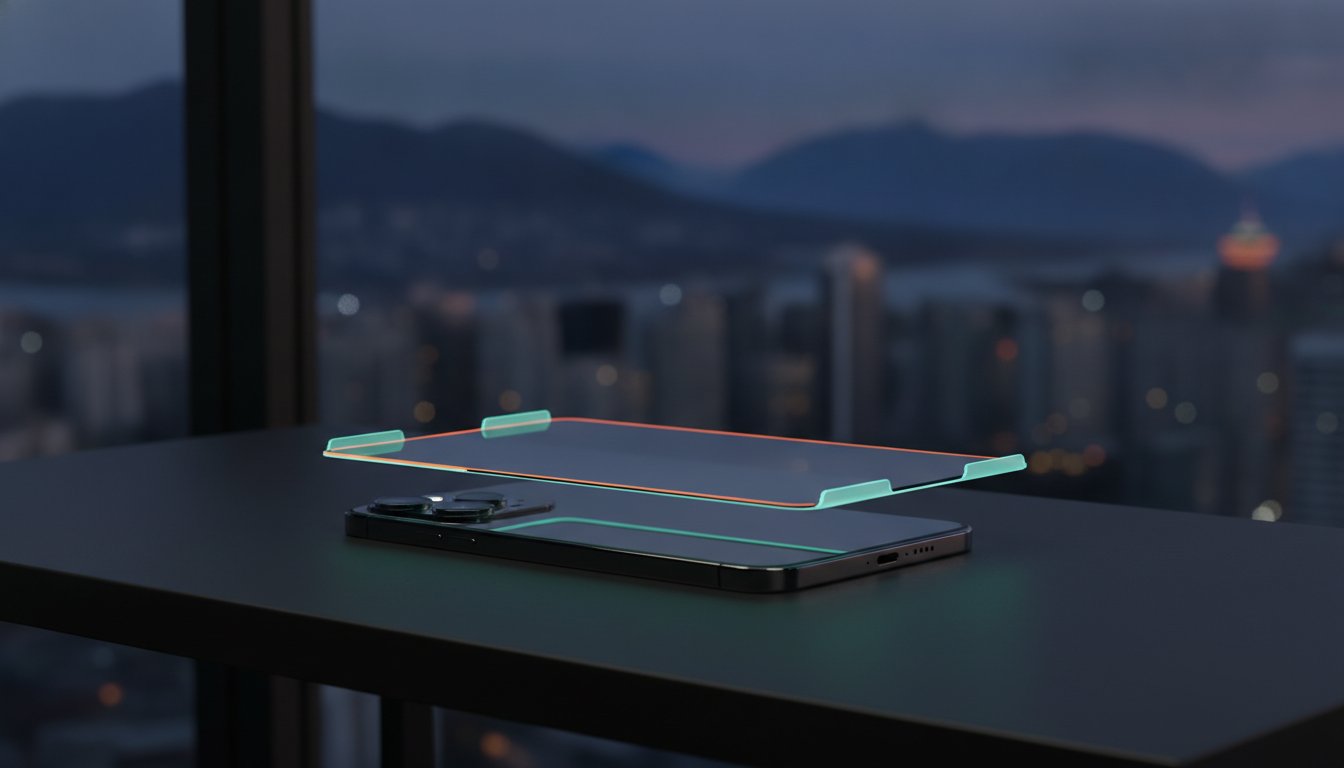
A single accidental drop on a Vancouver sidewalk can result in screen repair costs exceeding $400 at local service centres, making the right iphone 16 screen protector a critical investment rather than an afterthought. You likely prioritize the stunning clarity and responsiveness of your new display, yet the fear of trapped air bubbles or reduced touch sensitivity often leads to hesitation. It is a common frustration for Canadian users who want professional-grade durability without sacrificing the sleek aesthetic of their device.
We agree that your technology should remain in pristine condition without the hassle of oily fingerprint smudges or peeling edges. This guide provides the technical expertise required to master selection criteria and material science. You will learn how to identify high-quality Japanese tempered glass and 9H hardness ratings that offer long-term scratch resistance. We preview the latest installation tray systems and antimicrobial treatments available in 2026, ensuring your application is easy and perfectly aligned. From privacy filters to ultra-clear finishes, you are about to find the ultimate display protection for your iPhone 16.
Key Takeaways
- Analyze the technical differences between tempered glass, TPU, and hybrid materials to select the optimal balance of impact resistance and display clarity.
- Understand the 9H hardness scale to ensure your chosen iphone 16 screen protector provides maximum scratch protection against everyday Canadian environmental hazards.
- Evaluate specialty filters, including micro-louver privacy technology and blue light reduction, to enhance digital comfort and data security for professionals.
- Master professional installation techniques to achieve a bubble-free, dust-less finish by utilizing the bathroom steam method and precise alignment tools.
- Discover how to integrate your protected device into a high-performance workspace using the Devia Leopard Series 11-in-1 Docking Station for maximum productivity.
Why the iPhone 16 Requires Specialized Display Protection
The iPhone 16 features a Super Retina XDR display protected by the latest generation of Ceramic Shield. While this material offers high resistance to shattering, it remains vulnerable to the abrasive forces of everyday use. Micro-scratches from pocket debris or keys degrade the optical clarity over time. An iphone 16 screen protector acts as a sacrificial barrier, absorbing the friction that would otherwise permanently mar the factory glass. It's a simple layer that prevents long-term damage to the high-resolution panel.
When researching different types of screen protector materials, it becomes clear that tempered glass provides the most effective impact distribution. Instead of the force of a drop concentrating on a single point of the iPhone's OLED panel, the protector spreads the energy across its own surface. This often results in the protector cracking while the expensive internal display remains intact. The financial reality in Canada is stark; authorized service centres often charge upwards of $400 for a screen replacement on flagship models. Investing in a protector is a logical move to avoid these high-cost repairs.
The Evolution of iPhone Display Technology
Apple has significantly reduced bezel thickness for the iPhone 16 series to maximize the viewing area. This design choice increases the screen-to-body ratio but leaves the edges of the glass more exposed to side-impact shocks. Older protectors may not account for these tighter tolerances. Modern solutions must offer precise edge-to-edge coverage to prevent chips in the perimeter of the glass where the Ceramic Shield meets the metal frame. High-performance glass is still susceptible to scratches because the hardness required to prevent shattering often makes the surface more prone to surface-level abrasions.
Resale Value and Device Longevity
In the Canadian secondary market, device condition is the primary factor in determining trade-in value. Major retailers and carriers use automated grading systems that penalize even minor surface scratches. Maintaining a mint-condition screen can mean a difference of over $150 when it's time to upgrade. Using a high-quality iphone 16 screen protector ensures the display remains in pristine condition for years. Beyond the financial return, there is a functional benefit. A clear screen without micro-abrasions maintains the integrity of the oleophobic coating. This helps reduce the accumulation of oils and smudges that often hinder the user experience during high-productivity tasks.
Technical Breakdown: Choosing the Right Protection Material
Selecting the ideal material for your display requires an understanding of how different substrates interact with the iPhone 16's hardware. Thermoplastic Polyurethane (TPU) offers a flexible, plastic-based solution that excels on curved surfaces, yet it often lacks the tactile smoothness of glass. Hybrid materials combine PET (polyethylene terephthalate) with glass components to prevent shattering, but they may compromise on optical clarity. For most users, a tempered glass iphone 16 screen protector remains the superior choice due to its high impact resistance and authentic touch response.
Optical clarity is a non-negotiable metric for the Super Retina XDR display. High-end protectors aim for a 99.9% transparency rating to ensure that HDR10 and Dolby Vision content remains vibrant and colour-accurate. Any reduction in light transmission can lead to increased battery drain as users often compensate by raising their screen brightness. When browsing for a professional-grade screen protector, prioritize these technical specifications to ensure long-term utility and visual fidelity.
Tempered Glass: The Gold Standard
The construction of a premium tempered glass protector involves a complex multi-layer system. A bottom layer of silicone adhesive ensures a bubble-free bond, followed by a PET film that prevents the glass from shattering into sharp pieces if it breaks. The core is chemically strengthened glass that absorbs kinetic energy during a drop. This sacrificial design is intentional. The protector is engineered to crack under extreme stress, effectively dispersing the force away from the iPhone 16's internal components. You can choose between "case-friendly" cuts, which leave a slight gap at the edges to prevent lifting, and "edge-to-edge" designs that provide a seamless look.
Advanced Coatings and Filters
The surface of the protector is just as important as the glass itself. Oleophobic coatings are specialized oil-repelling layers that minimize fingerprint smudges and make the screen easier to clean. These coatings maintain the smooth, "new phone" feel that users expect from a premium device. Additionally, anti-reflective technology is increasingly common in 2026, reducing glare in bright Canadian sunlight or harsh office environments. In the context of mineral scratch tests, a 9H rating indicates the material resists abrasions from elements with a hardness level below 9 on the Mohs scale, ensuring standard keys and coins cannot leave marks. These technical refinements ensure your iphone 16 screen protector does more than just prevent cracks; it enhances the overall daily interaction with your device.
Privacy and Specialty Protectors: Beyond Basic Scratch Resistance
Standard tempered glass prevents cracks, but a specialized iphone 16 screen protector can serve functional roles beyond simple durability. Privacy filters utilize micro-louver technology. This system consists of tiny vertical blinds embedded within the glass layers. These louvers restrict the viewing angle, ensuring that only the person directly in front of the device can see the content. For Canadian professionals handling sensitive data or personal correspondence, this is a critical security layer. It prevents visual hacking in public spaces without compromising the touch responsiveness of the iPhone 16.
Users must realize that privacy filters naturally reduce light transmission. Because the micro-louvers block light from specific angles, you may need to increase your screen brightness by 10% to 15% to maintain the same visual output. This adjustment slightly impacts battery life but preserves the colour accuracy of the Super Retina XDR display for the primary user. High-quality filters avoid the "rainbow effect" or pixelation often found in generic alternatives, keeping the text sharp and images vibrant.
Specialty protectors also address health and environmental factors. Blue light filters are an increasingly popular choice for those who use their devices late into the evening. These layers absorb high-energy visible (HEV) light, which may help reduce digital eye strain. Additionally, the choice between matte and glossy finishes depends on your primary workspace. Glossy protectors maintain the factory aesthetic and maximum clarity. Matte finishes excel in bright offices or outdoor environments by diffusing reflections, though they can introduce a slight graininess to the display.
Privacy Protection for the Modern Commuter
A 30-degree viewing angle is the industry standard for effective privacy. This narrow field of vision ensures that passengers on the TTC or colleagues in open-plan offices cannot read your screen from the side. It's an essential tool for maintaining confidentiality in crowded urban centres. Modern privacy glass is engineered to be case-friendly, ensuring the thicker stack of micro-louvers doesn't interfere with the edges of your protective gear.
Lens Protection: Safeguarding the Camera Array
The iPhone 16 features a redesigned vertical camera layout that remains highly susceptible to impact. These protruding lenses are often the first point of contact when a phone is dropped or placed on a rough surface. You can choose between individual ring protectors, which secure each lens separately, or full-cover plates that shield the entire array. Using high-index glass for lens protection is vital to prevent lens flare and maintain photographic integrity. Securing these components is a logical extension of your iphone 16 screen protector strategy, ensuring the entire optical system remains pristine.
How to Install an iPhone 16 Screen Protector Perfectly
Achieving a factory-grade finish at home requires a disciplined environment and a methodical approach. The primary challenge for any installation is airborne particulate matter. Even a single speck of dust can create a persistent bubble that compromises the optical integrity of the display. To mitigate this, utilize the bathroom steam technique. Run a hot shower for several minutes to increase the humidity in the room. The moisture binds to dust particles and pulls them to the floor, creating a temporary "clean room" environment that is ideal for applying an iphone 16 screen protector.
Preparation is the most critical stage of the process. You must thoroughly de-grease the glass to ensure the silicone adhesive bonds correctly to the Ceramic Shield. Use an alcohol prep pad to remove skin oils, followed by a dry microfibre cloth to eliminate streaks. Finally, use a large dust-removal sticker to lift any remaining invisible fibres. For the application itself, the hinge method offers the highest precision for manual installs. By using guide stickers to secure one side of the protector to the phone frame, you create a "hinge" that allows you to flip the glass into place with perfect alignment every time. The direct drop method is faster but carries a higher risk of misalignment without a dedicated tray.
The Professional Installation Checklist
- Required tools: High-density microfibre cloth, 70% isopropyl alcohol pad, and specialized dust-lifting stickers.
- Lighting: Position a desk lamp at an angle to create reflections on the glass. This makes surface dust immediately visible.
- Handling: Always hold the protector by the edges. Avoid touching the adhesive side to prevent permanent fingerprint contamination.
If you want to ensure your device has the best possible start, browse the professional-grade screen protector options designed for precision fit.
Step-by-Step Application Guide
Start by aligning the protector with the Dynamic Island and the top speaker cutout. These are your primary reference points for a straight application. Once aligned, lower the glass and press firmly in the centre. The adhesive will naturally spread toward the edges. If air pockets remain, use a firm swiping motion from the middle of the screen outward. Wrap a credit card in a microfibre cloth and use the firm edge to push stubborn air pockets toward the nearest perimeter until they escape. If you find trapped dust, carefully lift the nearest corner with a fingernail and use a small sticker to pluck the debris from the adhesive before resealing.
The Devia Professional Ecosystem: Protection Meets Productivity
Professional mobile setups begin with physical security. An iphone 16 screen protector is the foundation of this strategy. A cracked display doesn't just look unprofessional; it halts workflows and limits the utility of your device. Devia Canada understands that modern Canadian professionals require more than just basic accessories. We curate high-performance hardware that bridges the gap between mobile flexibility and desktop power.
The DEVIA USB C Laptop Docking Station Leopard Series (11 in 1) is a central component of this ecosystem. This multi-port Type-C smart hub and stand features a sleek Metal Grey finish that complements the modern aesthetic of your iPhone 16. It provides the connectivity required for a high-output workspace, including fast charging and multiple peripheral inputs. By integrating your device into this systematic environment, you realize the full potential of your tech.
Beyond the Phone: The Leopard Series Docking Station
The Leopard Series 11-in-1 hub allows for seamless synergy between your laptop and mobile devices. It acts as a stable stand while providing a high-density port array for monitors, storage, and networking. This creates a cohesive desktop experience where your phone remains accessible and secure. Professional users prioritize this level of organization to maintain efficiency during complex projects. The Metal Grey design ensures your accessories match your professional environment, creating a unified look across your entire hardware stack.
Choosing Devia Canada for Your 2026 Tech Upgrade
Maintaining your fleet involves planning for the next generation of hardware. We offer a comprehensive selection of iPhone 17 screen protectors to ensure your future devices receive the same level of technical care. Combining these with professional-grade iPhone 17 cases is the most effective way to future-proof your mobile assets. Maintaining device integrity with a high-quality iphone 16 screen protector today sets the standard for your future hardware management. Our commitment to Canadian tech enthusiasts ensures you have access to a systematic approach to consumer electronics, where every component serves a specific functional purpose.
Secure Your Professional Mobile Workflow
A premium iphone 16 screen protector is more than a simple accessory; it is a technical necessity for maintaining the longevity and resale value of your hardware. By prioritizing 9H tempered glass and a disciplined installation process, you effectively distribute impact forces and avoid the high costs associated with authorized Canadian service centres. You also recognize that specialty filters, such as micro-louver privacy glass, are essential tools for the modern professional working in high-traffic public spaces.
As a specialized Canadian tech retailer, Devia Canada provides the hardware required for a high-output environment. Our ecosystem bridges the gap between mobile protection and desktop utility. From the Leopard Series 11-in-1 Docking Station for ultimate productivity to durable metal-grey finishes on our premium materials, we curate only high-performance gear. Shop the Devia Canada iPhone 16 Protection Collection to find the exact specifications your device requires. Take the final step in securing your technology today and maintain a pristine, high-functioning display for years to come.
Frequently Asked Questions
Does the iPhone 16 really need a screen protector if it has Ceramic Shield?
Yes, an iphone 16 screen protector is necessary because Ceramic Shield is optimized for impact resistance rather than scratch prevention. While it is difficult to shatter, the factory glass can still suffer from micro-abrasions caused by pocket sand or keys. These scratches are permanent and significantly reduce the device's trade-in value at Canadian retailers. Adding a sacrificial layer ensures the original display remains in mint condition regardless of daily environmental exposure.
Will a screen protector affect the touch sensitivity or Dynamic Island?
High-quality protectors do not interfere with touch sensitivity or the functionality of the Dynamic Island. Premium tempered glass is engineered with a 0.33mm thickness that maintains full capacitive response. Because the material features 99.9% optical transparency, the FaceID sensors and front camera continue to operate without lag or distortion. It is essential to choose a protector with precise cutouts or ultra-clear adhesive to ensure seamless hardware integration.
How do I remove a cracked tempered glass protector safely?
You can safely remove a cracked protector by gently lifting one corner with a thin plastic card or your fingernail. Avoid using metal tools that could scratch the iPhone 16 glass. Once the corner is raised, slowly peel the protector away from the surface in a steady motion. This prevents the tempered glass from splintering into smaller fragments. If any adhesive residue remains, clean the display with a 70% isopropyl alcohol wipe.
Can I reuse a screen protector if I misaligned it during installation?
Reusing a protector is not recommended once the silicone adhesive has been exposed to the air. Lifting the glass to realign it almost always introduces microscopic dust particles that create permanent bubbles. Furthermore, the adhesive layer can lose its bonding strength or become deformed during the removal process. For the best results, use a dedicated alignment tray or the hinge method to ensure the application is correct on the first attempt.
What is the difference between a 2.5D and a 3D curved screen protector?
The primary difference lies in the edge geometry and coverage area. A 2.5D protector features slightly contoured edges that stop just before the display's curve, which ensures compatibility with rugged cases. In contrast, a 3D curved protector is designed to follow the exact arc of the iPhone 16 glass. This provides a more seamless aesthetic and better edge-to-edge protection, though it may cause fitment issues with some tighter-fitting protective cases.
Do privacy screen protectors make the display look darker?
Privacy protectors naturally reduce the overall light transmission of your display due to the embedded micro-louver layers. These vertical blinds block light from side angles to protect your data, which can make the screen appear roughly 15% darker from the front. You will likely find it necessary to increase your manual brightness settings to maintain your preferred visibility level. This is a standard trade-off for the added security in public environments.
How often should I replace my screen protector?
You should replace your iphone 16 screen protector whenever you notice visible cracks, deep scratches, or a significant degradation in the oleophobic coating. A cracked protector has already sacrificed its structural integrity and will not provide the same level of impact distribution during a second drop. Most professionals replace their protection every six to twelve months to maintain maximum touch smoothness and display clarity as the surface coatings naturally wear down.
Is there a difference between cheap and premium tempered glass?
Premium tempered glass offers superior material purity and more robust chemical strengthening than budget alternatives. High-end options use Japanese aluminosilicate glass which provides better impact resistance and a smoother tactile feel. Additionally, premium protectors feature more durable oleophobic coatings that resist fingerprints for longer periods. Cheap versions often use lower-grade adhesives that can leave residue or bubble more easily, ultimately compromising the high-resolution output of the iPhone 16 display.